
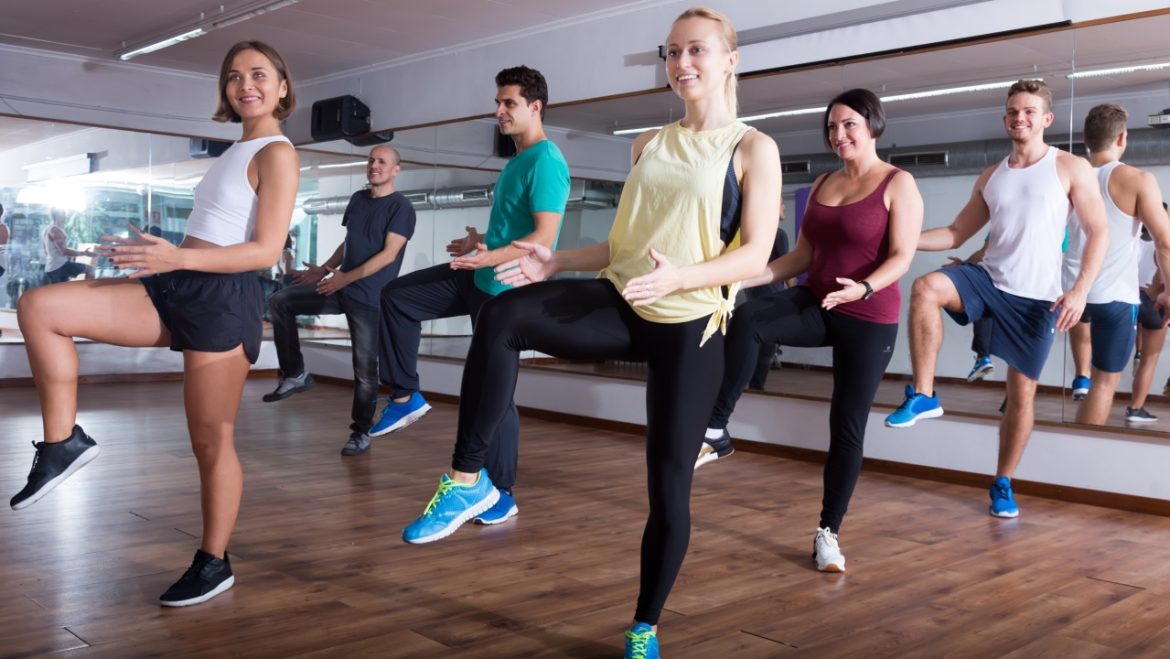
The Overlooked Side of Fitness: Mental Health
When most people think of fitness, they imagine toned muscles, weight loss, or physical endurance. While these are important, mental well-being is equally essential, especially in Singapore where stress, long working hours, and academic pressures are part of daily life. Physical activity is scientifically proven to improve mood and reduce anxiety, but not every form of exercise delivers the same emotional benefits. Increasingly, people are searching for zumba classes near me not only for fitness but also for the mental health uplift that comes with dance-based workouts.
Zumba stands out because it combines music, movement, and community, all of which have a direct impact on emotional wellness. It transforms the gym floor into a stress-relieving dance floor where participants feel energised, motivated, and socially connected.
Why Dance Fitness Is Good for the Mind
Zumba is not just exercise, it is a form of expressive movement. Unlike repetitive gym workouts, dance engages the mind as well as the body. Learning new steps, following rhythms, and coordinating movement with music all stimulate the brain. This type of exercise activates the release of endorphins, often called “happy hormones,” which contribute to reduced anxiety and improved mood.
For Singapore residents managing the demands of fast-paced city life, this mental release is invaluable. Zumba classes provide a safe, enjoyable space to let go of worries and focus on the joy of movement.
How Zumba Boosts Mental Health
The connection between Zumba and mental well-being is supported by several factors.
1. Stress Relief Through Movement
Stress builds up when the body is inactive and the mind is overloaded. Zumba helps release this tension. The lively music distracts from daily worries, while movement stimulates circulation and clears mental fatigue.
2. Confidence Through Self-Expression
Zumba encourages participants to move freely, without judgment. For people who may feel shy in traditional workout settings, the dance-based approach fosters confidence. Over time, mastering routines builds self-esteem, which carries over into daily life.
3. Social Connection and Belonging
Loneliness and isolation are significant contributors to poor mental health. Zumba’s group format creates a sense of belonging. Friendships formed in class provide motivation, encouragement, and emotional support.
4. Cognitive Stimulation
Choreography challenges memory and coordination, keeping the brain active. This is especially beneficial for older adults in Singapore who want to keep both body and mind sharp.
5. Joy Through Music
Music is therapeutic on its own, and when combined with physical activity, its effects are amplified. Participants often report feeling lighter, happier, and more motivated after a single class.
The Singapore Context: Why Mental Health Matters
Mental health awareness in Singapore has been growing in recent years. The pressures of work, school, and urban living contribute to rising stress levels. For professionals, stress may show up as fatigue and burnout. For students, it can result in anxiety and reduced focus. Zumba provides a natural, enjoyable outlet for these challenges.
Unlike structured therapy or counselling, Zumba offers a non-intimidating, accessible way for people to improve their mental wellness while also staying physically healthy. It fits seamlessly into daily routines and provides both immediate relief and long-term benefits.
Beyond the Individual: Community Impact of Zumba
Zumba classes in Singapore do more than benefit individuals, they strengthen communities. When people join group fitness sessions regularly, they develop relationships with instructors and fellow participants. This sense of community creates accountability and belonging, reducing feelings of isolation.
In neighbourhoods and workplaces, Zumba has become a unifying activity that brings together people of different backgrounds, ages, and fitness levels. The shared energy fosters inclusivity and positivity, which extends beyond the studio.
The Role of True Fitness in Supporting Mental Wellness
Choosing the right environment is essential for Zumba’s mental health benefits to shine. True Fitness provides a supportive and professional setting where participants feel welcomed and encouraged. Certified instructors guide routines in a way that boosts confidence, while the community atmosphere helps participants feel part of something bigger than themselves.
True Fitness also offers flexible schedules, which makes it easier for individuals juggling demanding jobs or family responsibilities to incorporate mental wellness into their lives.
Tips for Maximising Mental Health Benefits from Zumba
-
Focus on the Music: Let go of perfection and move to the rhythm. The joy comes from immersion, not accuracy.
-
Attend Consistently: Regular sessions build both fitness and resilience against stress.
-
Engage with Others: Smile, interact, and connect with fellow participants for added emotional support.
-
Use Zumba as “Me-Time”: Treat each session as a personal investment in mental well-being.
-
Combine with Mindfulness: Pair Zumba with practices like meditation or journaling for a holistic approach to wellness.
These strategies help participants experience not just fitness gains, but emotional renewal as well.
Stories from Singaporeans Who Found Joy in Zumba
Local participants often describe Zumba as their “happy place.” A young professional shares how attending evening classes after work helped her shift from daily stress to renewed energy. A retiree highlights how Zumba improved not just her mobility but also her confidence and mood. Parents speak of Zumba as a family-friendly activity that brought laughter and joy into their household routines.
These stories demonstrate the wide-ranging impact of Zumba, proving it is as much about mental health as physical fitness.
FAQs About Zumba and Mental Health
Q: Can Zumba really help with anxiety?
Yes. The combination of physical activity, music, and group support helps lower anxiety levels and creates a positive mindset.
Q: How many sessions are needed before noticing mental health benefits?
Many participants feel a mood boost after the first class. Long-term improvements typically occur after attending regularly for a few weeks.
Q: Is Zumba suitable for people who feel shy or lack confidence?
Definitely. The supportive and non-judgmental environment makes it easier for shy individuals to gain confidence over time.
Q: Does Zumba help with sleep issues caused by stress?
Yes. Physical activity improves sleep quality, and the stress reduction from Zumba often leads to deeper, more restful sleep.
Q: Can older adults use Zumba as part of their mental health care?
Absolutely. Zumba is suitable for seniors and helps with both cognitive stimulation and emotional wellness.
Q: How does Zumba compare to yoga for mental health?
Both have benefits, but Zumba adds a social and musical dimension that may appeal to people seeking energy and community rather than calm and introspection.
Final Thoughts
Mental wellness is just as important as physical health, and Zumba offers a fun, accessible way to support both. For Singaporeans facing daily stress, searching for zumba classes near me is not just about exercise, it is about finding joy, connection, and confidence. With supportive environments like True Fitness offering high-quality sessions, Zumba has become one of the most powerful ways to strengthen both body and mind in Singapore.