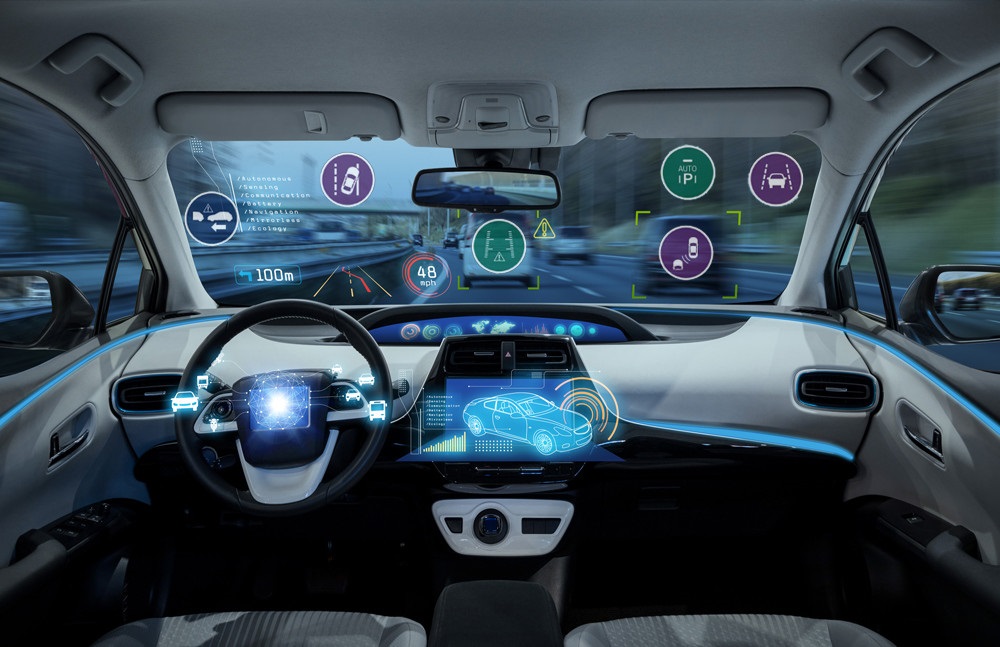
Advanced Driver Assistance Systems (ADAS) are integrated electronic technologies designed to improve vehicle safety, enhance driving comfort, and reduce the likelihood of human error. By combining sensors, cameras, radar, lidar, and software algorithms, ADAS continuously monitors a vehicle’s surroundings and assists drivers in making safer decisions.
As road traffic increases and vehicles become more connected, ADAS serves as a foundational step toward autonomous driving while maintaining driver control and responsibility.
What Are Advanced Driver Assistance Systems?
ADAS refers to a collection of intelligent safety features embedded in modern vehicles. These systems analyze real-time data from external and internal sensors to detect obstacles, monitor traffic conditions, and respond to potential hazards.
Unlike fully autonomous vehicles, ADAS technologies are driver-support systems, meaning the human driver remains in control while the vehicle provides assistance.
Core Components of ADAS
ADAS relies on a combination of hardware and software working seamlessly together.
1. Sensors
- Radar sensors detect object distance and speed.
- Lidar sensors provide high-resolution 3D mapping.
- Ultrasonic sensors assist with parking and low-speed maneuvers.
- Cameras identify lane markings, traffic signs, and pedestrians.
2. Control Units
Electronic Control Units (ECUs) process incoming data from sensors and execute appropriate actions, such as applying brakes or adjusting steering.
3. Software Algorithms
Advanced software powered by artificial intelligence interprets environmental data and determines safe driving responses.
Key ADAS Features
Modern vehicles may include one or several of the following ADAS capabilities:
Adaptive Cruise Control (ACC)
Maintains a preset speed while automatically adjusting to keep a safe distance from the vehicle ahead.
Lane Departure Warning (LDW)
Alerts drivers if the vehicle unintentionally drifts out of its lane.
Lane Keeping Assist (LKA)
Actively steers the vehicle back into its lane when drifting is detected.
Automatic Emergency Braking (AEB)
Detects imminent collisions and applies brakes automatically if the driver fails to react in time.
Blind Spot Detection (BSD)
Monitors adjacent lanes and warns drivers of vehicles in blind spots.
Traffic Sign Recognition (TSR)
Identifies road signs and displays relevant information on the dashboard.
Parking Assistance Systems
Helps drivers maneuver into tight spaces using sensors and automated steering support.
Benefits of ADAS
ADAS technologies provide measurable improvements in road safety and driver experience.
- Reduced accidents caused by human error
- Improved situational awareness through real-time alerts
- Lower insurance risks due to enhanced safety systems
- Enhanced driving comfort during long-distance travel
- Foundation for semi-autonomous and autonomous vehicles
Studies indicate that features like automatic emergency braking significantly reduce rear-end collisions.
ADAS Levels and Automation
ADAS features are categorized under automation levels defined by the SAE International. These range from driver assistance to full autonomy.
- Level 0: No automation
- Level 1: Driver assistance (e.g., cruise control)
- Level 2: Partial automation (combined steering and acceleration support)
- Level 3: Conditional automation
- Level 4: High automation
- Level 5: Full automation
Most vehicles equipped with ADAS today operate at Level 1 or Level 2.
Challenges and Limitations
While ADAS improves safety, it has certain constraints:
- Sensor limitations in extreme weather conditions
- Driver overreliance, leading to reduced attention
- High repair and calibration costs
- Complex system integration across vehicle platforms
Proper driver education remains essential to maximize the benefits of these systems.
The Future of ADAS
Advancements in artificial intelligence, machine learning, and vehicle-to-everything (V2X) communication are expanding ADAS capabilities. Future systems are expected to feature:
- Enhanced predictive hazard detection
- Improved night and low-visibility performance
- Better integration with smart infrastructure
- Greater accuracy through sensor fusion
As regulatory standards evolve and consumer demand grows, ADAS will continue bridging the gap between conventional vehicles and fully autonomous transportation.
Frequently Asked Questions (FAQs)
1. Is ADAS the same as autonomous driving?
No. ADAS supports the driver with safety features but does not replace human control. Fully autonomous vehicles operate at higher automation levels.
2. Do all new cars come with ADAS?
Many modern vehicles include basic ADAS features, but availability varies by manufacturer, trim level, and region.
3. Can ADAS function in bad weather?
Performance may decrease in heavy rain, snow, or fog because sensors and cameras rely on clear visibility.
4. Does ADAS increase vehicle cost?
Yes, vehicles with advanced safety features typically cost more upfront, though they may reduce long-term accident-related expenses.
5. Can ADAS prevent all accidents?
No system guarantees complete accident prevention. ADAS reduces risk but does not eliminate it.
6. How is ADAS maintained?
Regular vehicle servicing, software updates, and sensor calibration are necessary to ensure proper functionality.
7. Are ADAS systems mandatory?
In some regions, certain features like automatic emergency braking are becoming mandatory in new vehicles to improve road safety.