
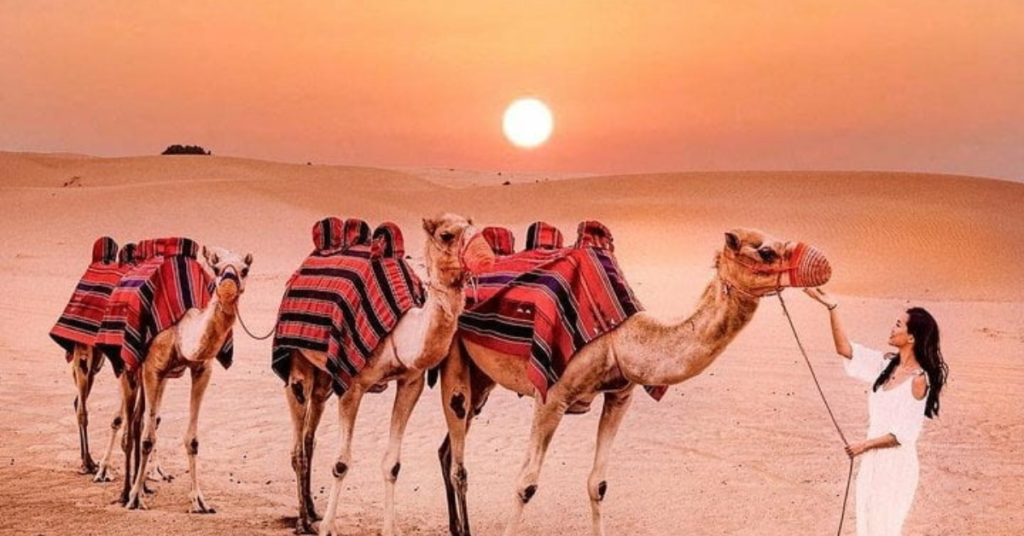
Desert safaris have long been associated with dune bashing, camel rides, and cultural dinner shows. While these classic activities remain popular, modern travelers increasingly seek deeper, more immersive desert experiences. Today’s desert adventures go beyond adrenaline rides, offering luxury, sustainability, adventure sports, and meaningful cultural engagement.
Deserts are not empty landscapes—they are ecosystems rich in history, wildlife, and dramatic beauty. Expanding the safari experience allows travelers to connect more authentically with these environments.
The Evolution of Desert Safaris
Traditional desert tours focused on short excursions centered around entertainment. Over time, traveler expectations shifted toward:
- Experiential tourism
- Sustainable travel practices
- Unique photo-worthy moments
- Personalized luxury services
As a result, safari providers have diversified their offerings to create multi-dimensional desert journeys.
Luxury Desert Retreats
One of the most significant changes in desert tourism is the rise of luxury desert camps.
Modern camps often feature:
- Private tents with en-suite bathrooms
- Fine dining under the stars
- Spa treatments in remote settings
- Infinity pools overlooking dunes
These experiences combine adventure with comfort, appealing to travelers who want exclusivity without sacrificing authenticity.
Adventure Activities Beyond Dune Bashing
While 4×4 dune driving remains popular, adventure options now extend much further.
Sandboarding and Desert Skiing
Gliding down dunes provides a thrilling alternative to vehicle-based activities. It is beginner-friendly and suitable for most age groups.
Fat Biking on Sand
Specialized wide-tire bicycles allow riders to explore dunes in an eco-conscious way.
Hot Air Balloon Rides
Floating above the desert at sunrise offers panoramic views and a peaceful perspective that contrasts sharply with high-speed adventures.
Desert Hiking and Trekking
Guided treks allow travelers to explore remote areas, fossil fields, and unique rock formations while learning about desert geology.
Cultural Immersion Experiences
Modern desert safaris increasingly focus on authentic cultural connection.
Travelers can participate in:
- Traditional cooking workshops
- Storytelling sessions with local guides
- Handicraft demonstrations
- Music and poetry gatherings
These interactions provide deeper insight into desert heritage and nomadic traditions.
Wildlife and Eco-Safaris
Contrary to common perception, deserts support diverse wildlife.
Eco-focused safaris highlight:
- Desert foxes and gazelles
- Native bird species
- Rare desert plants
- Conservation programs
Responsible tour operators emphasize low-impact travel, reducing environmental disturbance while educating visitors about fragile ecosystems.
Stargazing and Astronomy Experiences
Deserts offer some of the clearest night skies on Earth due to minimal light pollution.
Enhanced stargazing tours may include:
- Professional telescopes
- Guided constellation explanations
- Astrophotography sessions
- Overnight camping under open skies
The vast silence of the desert amplifies the cosmic experience, making it unforgettable.
Wellness and Mindfulness Retreats
The isolation of desert landscapes creates an ideal environment for reflection and renewal.
Wellness-focused desert safaris often include:
- Sunrise yoga sessions
- Guided meditation
- Digital detox programs
- Sound healing experiences
The calm, open surroundings promote mental clarity and stress reduction.
Photography Expeditions
Professional photographers and hobbyists alike are drawn to deserts for their dramatic lighting and textures.
Specialized tours may provide:
- Sunrise and sunset positioning guidance
- Drone photography sessions
- Wildlife photography tips
- Landscape composition coaching
Golden-hour lighting over dunes creates striking visual contrast.
Sustainable Desert Tourism
As desert tourism expands, sustainability becomes critical.
Responsible safari operators prioritize:
- Renewable energy in camps
- Waste reduction initiatives
- Water conservation systems
- Support for local communities
Sustainable practices ensure that future generations can enjoy desert environments without ecological damage.
Multi-Day Expeditions
Beyond half-day trips, extended expeditions allow deeper exploration.
Multi-day safaris may include:
- Remote desert crossings
- Overnight stays in isolated camps
- Cultural visits to desert settlements
- Navigation training experiences
Longer journeys foster stronger connections to the landscape.
Why Travelers Seek Expanded Desert Experiences
Modern travelers value:
- Authentic storytelling
- Unique and shareable moments
- Personal transformation
- Environmental responsibility
Desert safaris that go beyond traditional formats cater to these evolving preferences.
Frequently Asked Questions (FAQs)
1. Are luxury desert camps suitable for families?
Many luxury camps offer family-friendly accommodations and guided activities designed for children.
2. Is desert trekking physically demanding?
It depends on the route and duration. Many guided treks are tailored to moderate fitness levels.
3. What is the best season for extended desert safaris?
Cooler months are typically more comfortable for multi-day exploration, especially in hot desert regions.
4. Are eco-safaris more expensive than traditional safaris?
They can be slightly higher in cost due to conservation efforts and smaller group sizes, but they provide added educational value.
5. Can beginners participate in sandboarding or fat biking?
Yes. Most providers offer beginner-friendly equipment and guidance.
6. Is stargazing possible year-round in the desert?
Yes, although visibility may vary depending on weather conditions and moon phases.
7. How do operators ensure environmental protection?
Responsible providers limit vehicle routes, manage waste carefully, and collaborate with conservation authorities.