
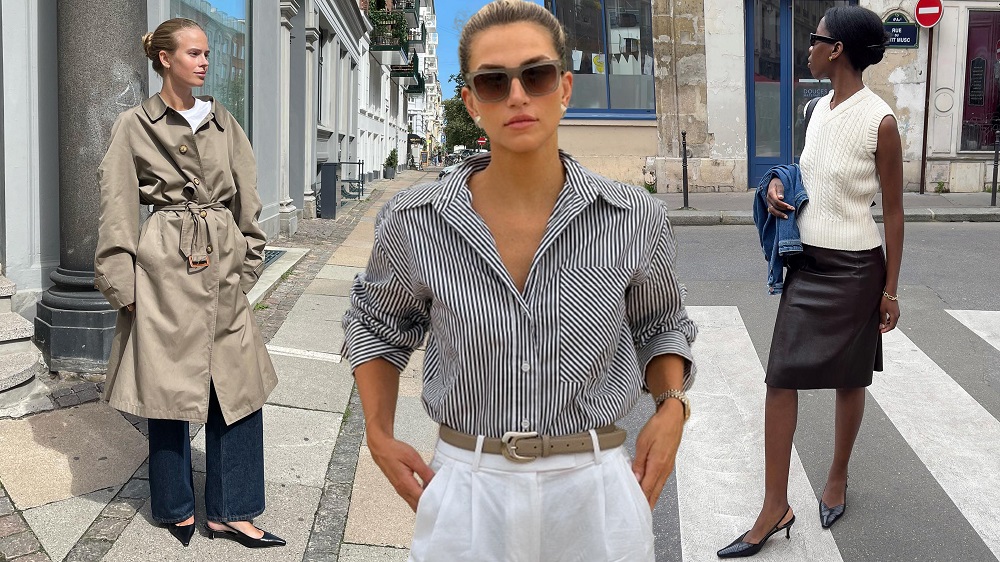
A polished appearance is rarely about wearing expensive clothing. It reflects attention to fit, proportion, coordination, and detail. Small missteps can undermine an otherwise strong outfit, while thoughtful adjustments can elevate even simple pieces.
Below are common fashion mistakes that prevent a refined look—and how to avoid them.
Ignoring Proper Fit
The most frequent mistake is wearing clothes that do not fit correctly. Oversized garments can appear sloppy, while overly tight pieces may look uncomfortable and distracting.
Common fit issues include:
-
Shoulders that extend beyond natural lines
-
Sleeves that cover hands or stop too short
-
Pants pooling excessively at the ankles
-
Shirts pulling at buttons
A tailor can make subtle adjustments that dramatically improve structure and silhouette.
Overloading on Trends
Trends shift quickly. Incorporating too many at once often results in a cluttered appearance.
Instead:
-
Choose one trend-driven piece per outfit
-
Pair statement items with classic staples
-
Focus on longevity over novelty
Timeless elements such as structured blazers, clean denim, and neutral footwear create balance.
Wearing Wrinkled or Worn Clothing
Even well-styled outfits lose impact when garments appear neglected.
Watch for:
-
Wrinkles or creases
-
Faded fabrics
-
Loose threads
-
Pilling on knitwear
Regular steaming, proper storage, and fabric care preserve a sharp presentation.
Mismatched Colors and Patterns
Color coordination plays a central role in achieving polish. Clashing hues or competing patterns can disrupt visual harmony.
For better coordination:
-
Limit bold patterns to one focal piece
-
Use complementary or neutral tones
-
Maintain consistent undertones (warm or cool)
A restrained palette often communicates sophistication.
Neglecting Footwear
Shoes anchor an outfit. Scuffed, overly casual, or mismatched footwear can diminish an otherwise refined look.
Ensure shoes:
-
Are clean and well-maintained
-
Match the formality of the outfit
-
Complement overall color balance
Quality footwear signals attention to detail.
Over-Accessorizing
Accessories should enhance, not overpower. Excessive jewelry, layered belts, or oversized bags can distract from the overall ensemble.
To refine styling:
-
Choose one statement accessory
-
Keep metals consistent
-
Scale accessories to your frame
Simplicity often conveys confidence.
Ignoring Proportion and Balance
Outfit balance affects how proportions are perceived. Pairing loose pieces with loose pieces may create a shapeless silhouette.
Strive for contrast:
-
Structured tops with relaxed bottoms
-
Slim pants with slightly oversized layers
-
Cropped jackets with high-waisted trousers
Balanced proportions create visual structure.
Wearing the Wrong Undergarments
Visible lines, straps, or poor foundation garments can disrupt a clean finish.
Pay attention to:
-
Seamless underlayers
-
Proper bra fit
-
Neutral undergarment colors
-
Smoothing shapewear when desired
A polished exterior starts with supportive foundations.
Choosing Inappropriate Clothing for the Setting
Dressing without regard for context can appear careless.
Consider:
-
Professional dress codes
-
Event formality
-
Cultural expectations
-
Seasonal appropriateness
Contextual awareness reinforces confidence and respect.
Neglecting Grooming and Personal Care
Clothing alone cannot create a polished look. Grooming completes the presentation.
Key details include:
-
Well-maintained hair
-
Clean, trimmed nails
-
Minimal lint or pet hair
-
Subtle fragrance
Consistency in grooming supports the overall aesthetic.
Overlooking Fabric Quality
Cheap or overly thin fabrics may wrinkle easily or lose shape quickly.
Look for:
-
Structured cotton blends
-
Natural fibers like wool or linen
-
Durable stitching
-
Smooth lining
Higher-quality materials maintain structure throughout the day.
Failing to Edit Your Wardrobe
A cluttered closet leads to rushed, mismatched outfits.
Build a wardrobe around:
-
Neutral basics
-
Versatile layering pieces
-
Well-fitted staples
-
A few intentional statement items
Regularly remove items that no longer fit or reflect your style direction.
Frequently Asked Questions (FAQ)
1. How can I determine if clothing fits properly without tailoring experience?
Check shoulder alignment, sleeve length, waist comfort, and overall silhouette in a full-length mirror. If adjustments seem minor, tailoring can refine the fit.
2. Are neutral colors necessary for a polished look?
Not mandatory, but neutral tones provide flexibility and make coordinating outfits easier while maintaining sophistication.
3. How many accessories are too many?
If accessories compete for attention rather than complement the outfit, scale back. One focal point is usually sufficient.
4. Can casual outfits still look polished?
Yes. Clean lines, proper fit, minimal wrinkles, and intentional styling can elevate even jeans and a simple top.
5. How often should I update my wardrobe?
Focus on replacing worn essentials as needed and adding trend pieces selectively rather than overhauling your closet each season.
6. Does brand name matter for achieving a polished appearance?
Not necessarily. Fit, fabric quality, and styling are more important than visible labels.
7. What is the quickest way to improve an outfit instantly?
Adjust fit, polish shoes, remove wrinkles, and simplify accessories. Small refinements often create immediate impact.