
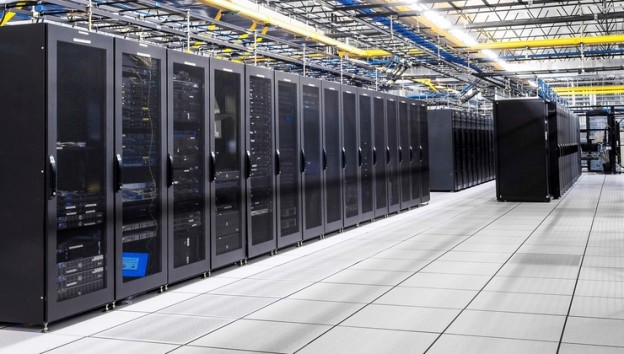
In Thailand, where the digital economy is expanding rapidly, data centres form the backbone of countless businesses. From banking to e-commerce, the continuous availability of data is essential. However, the region’s tropical climate can bring unpredictable weather, leading to frequent power fluctuations and outages. These interruptions pose a substantial threat to data centre operations, risking data loss, hardware damage, and costly downtime. This is where an uninterruptible power supply (UPS) system becomes an indispensable asset.
A UPS system acts as a bridge, providing instant battery backup when the primary power source fails. This immediate supply of clean, consistent energy is fundamental for maintaining business continuity. The primary function of ups power is to give data centre managers enough time to either switch to a long-term generator or perform a safe, orderly shutdown of all systems. Without this buffer, a sudden power cut could cause catastrophic data corruption and render servers inoperable.
For businesses operating in bustling metropolitan areas like Bangkok or in industrial estates across the country, a stable power supply is not always guaranteed. Implementing a robust UPS system safeguards sensitive electronic components from damage caused by power surges, sags, and blackouts. It filters the incoming electricity, ensuring that servers, storage devices, and networking equipment receive a steady and clean power flow, which extends their operational lifespan and reduces the need for expensive repairs.
Uninterrupted Operations for Enhanced Reliability
The most direct benefit of a UPS system is preventing downtime. For any modern enterprise, service unavailability translates directly into lost revenue and diminished customer trust. A data centre that goes offline can disrupt supply chains, halt financial transactions, and affect communication services. A UPS ensures that operations continue without a hitch during short power outages and provides the necessary window to activate backup generators for longer disruptions. This reliability is foundational for companies that promise 24/7 service availability to their clients.
Protecting Valuable Equipment
Power anomalies do more than just cause downtime; they can inflict permanent damage on expensive hardware. Voltage spikes can fry motherboards, while sudden losses of power can harm hard drives and other storage media. A UPS conditions the power, smoothing out these irregularities and protecting your investment. By delivering a consistent electrical current, it minimises the stress on delicate components, contributing to a longer, more reliable service life for all data centre equipment.
Improving Energy Efficiency
Modern UPS systems also offer significant advantages in energy management. Newer models are designed with high-efficiency modes that can reduce electricity consumption and lower operational costs. In a facility that runs around the clock, even small improvements in energy efficiency can lead to substantial savings over time. This also supports broader corporate sustainability goals by reducing the data centre’s overall carbon footprint, an increasingly important consideration for businesses in Thailand and globally.